After far too long, I finally finished Howard Zinn’s epic A People’s History of the USA. It’s a unique historical effort, a story of poverty, unrest and injustice. Compared to something like ‘The Penguin History of the USA‘, this is a story not focused on powerful men, but on unions, indigenous peoples, blacks and women.
Categories
Photographing 2012
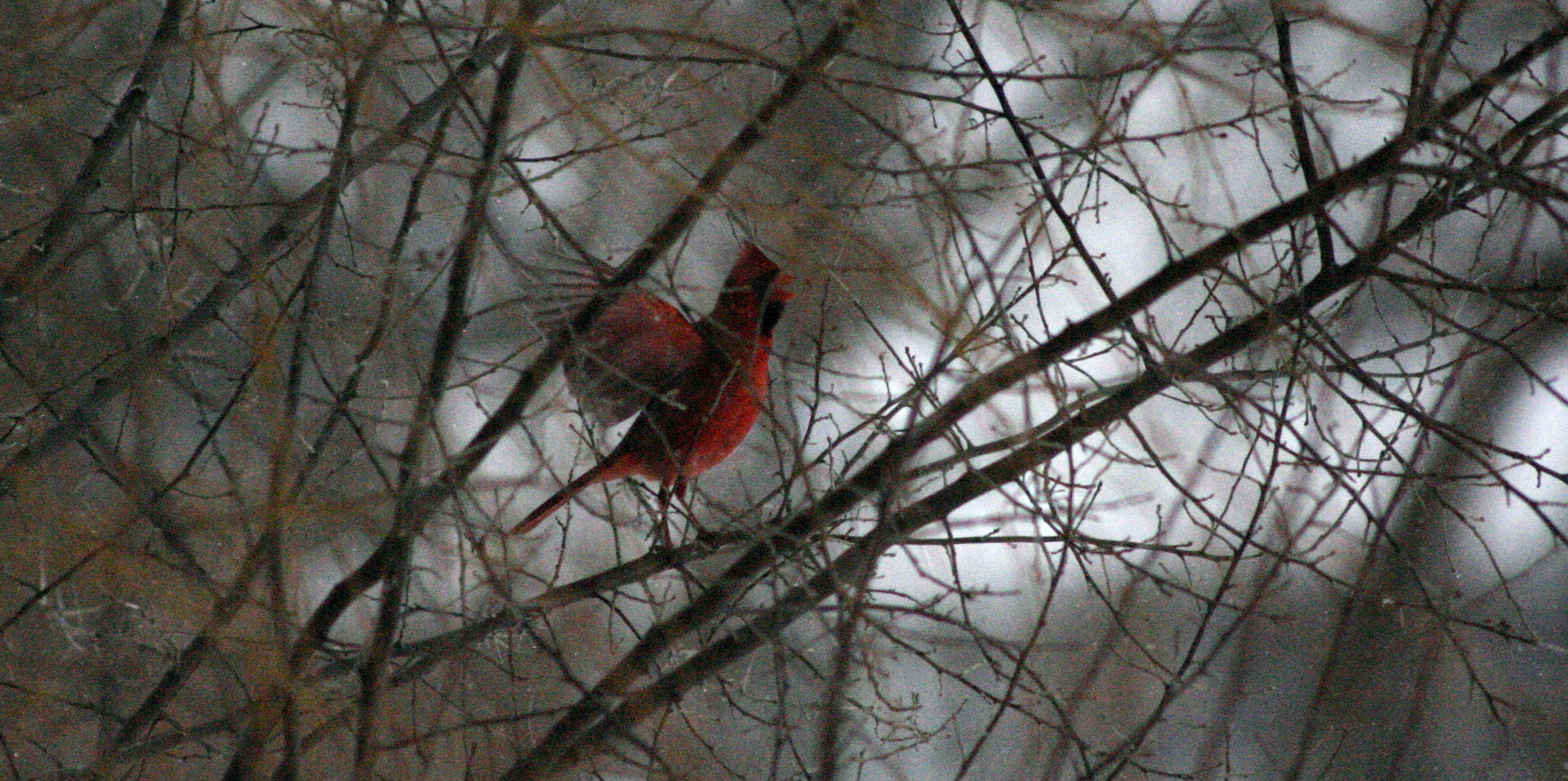
Winter in Canada

Categories
Instagramming 2012
Except that it’s not instagram. But still. Crappy mobile phone photos. Enjoy.


See also the Royal Ontario Museum photos, which get their own special collage.
Amory Blaine on socialism (via F. Scott Fitzgerald)
On advertising:
“Oh, I’ll admit there’s money in it eventually. Talent doesn’t starve any more. Even art gets enough to eat these days.
Sherlock Holmes on the countryside versus the city
On ‘an ideal spring day,’ Watson and Holmes are on a train to Winchester. Watson admires the view. Holmes replies:
“Do you know, Watson,” said he, “that it is one of the curses of a mind with a turn like mine that I must look at everything with reference to my own special subject. You look at these scattered houses, and you are impressed by their beauty. I look at them, and the only thought which comes to me is a feeling of their isolation and of the impunity with which crime may be committed there.”

Inspired by Lada Adamic‘s excellent Coursera on Social Network Analysis I thought it might be interesting to try to graph the network of Twiplomats – the world leaders or diplomats on twitter. Simply to see who follows who, who the central nodes in the network are, and whether hubs or communities have developed.
About a month ago I posted a proposal for an Open United Nations web platform. This is the idea of making global governance – the discourse, debates and decision-making at the UN and beyond – more transparent.
I thought it might be useful (to me, at least) to blog about what it’s like to try to start something like this despite having no idea what you’re doing. Here’s post number one.
 Joe blogs.